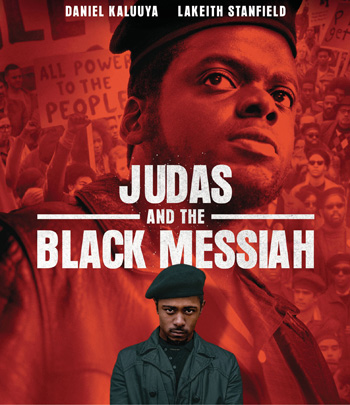
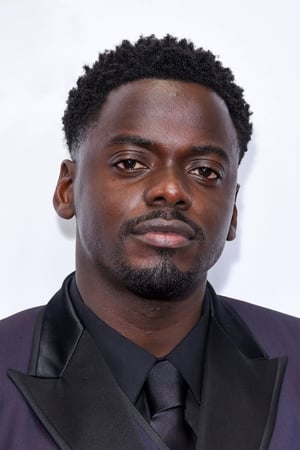
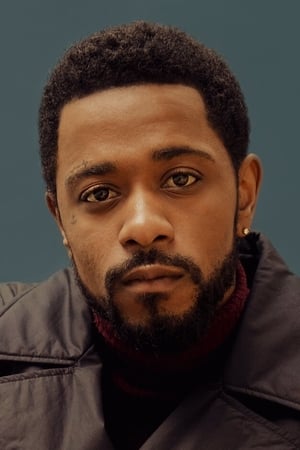
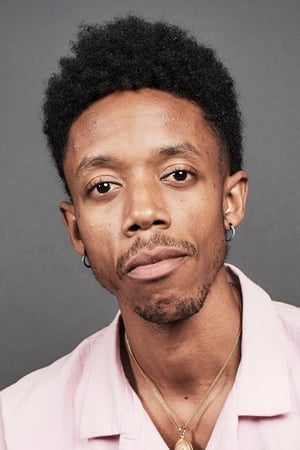
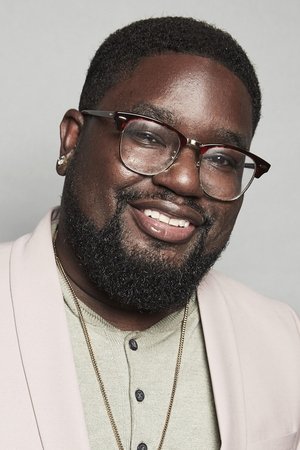
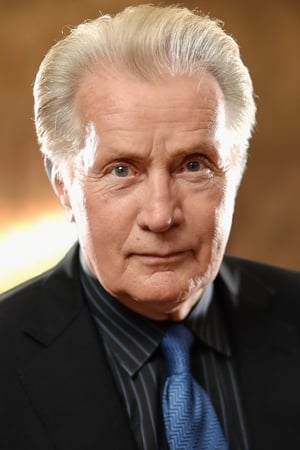
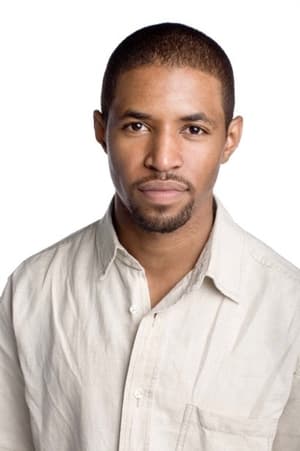
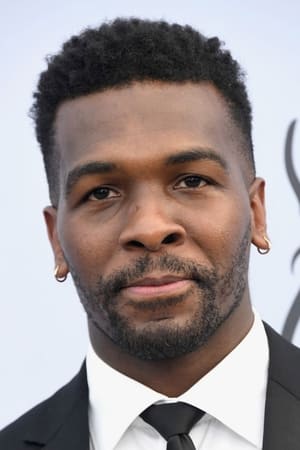
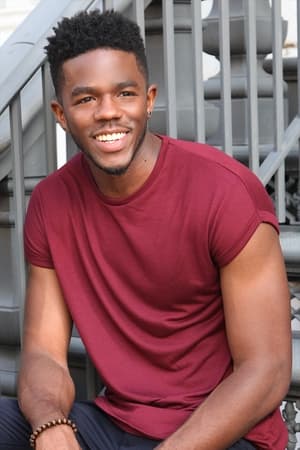
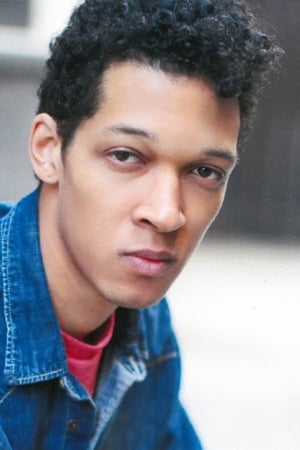
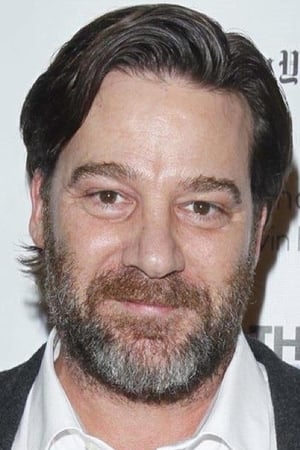
Shaka King s _Judas and the Black Messiah_ is a powerful, meticulously crafted film about state-sanctioned murder. The story it tells is true, which makes it worse. In 1969, Fred Hampton, the 21-year-old chairman of the Illinois Black Panther Party, was assassinated in a pre-dawn raid orchestrated by the FBI, carried out by Chicago police, and made possible by William O Neal, an informant who had infiltrated Hampton s inner circle. The film follows both men, the leader and the betrayer, and it understands that this isn t just history. It s a blueprint that s still in use.Daniel Kaluuya s performance as Hampton is phenomenal. He doesn t play Hampton as a saint or a symbol; he plays him as a man, brilliant and charismatic, capable of galvanizing a room with his oratory but also young, in love, sometimes uncertain. Kaluuya captures Hampton s magnetism without softening his radicalism. This was a man who believed in armed self-defense, who called for revolution, who organized a Rainbow Coalition of poor whites, Latinos, and Black communities to stand together against oppression. He was 21 years old, and J. Edgar Hoover declared him the greatest threat to national security. Kaluuya makes you understand why Hampton was so dangerous to the state: not because he was violent, but because he was effective.LaKeith Stanfield plays O Neal with a queasy, jittery energy, a man caught between survival and complicity. O Neal was a petty criminal when the FBI recruited him, offered a deal to avoid prison in exchange for infiltrating the Panthers. Stanfield makes him pathetic and human, a man who made a choice and never escaped it. The real William O Neal walked free after Hampton s death, but the guilt destroyed him. He committed suicide in 1990 at age 40. The title makes the allegory clear: O Neal is Judas, Hampton is the messiah, and the thirty pieces of silver come from the federal government.King s direction is focused and urgent, never flashy but always purposeful. He stages the final raid with brutal efficiency, and the film makes clear what the evidence later confirmed: this wasn t a shootout, it was an execution. Hampton was drugged by O Neal the night before, shot in his bed while unconscious, and the police fired nearly a hundred rounds into the apartment while the Panthers fired one. The government called it self-defense. It took years for the truth to emerge, and even then, no one was held accountable.What makes _Judas and the Black Messiah_ so necessary, and so enraging, is that it s another set piece in the blatant racism and fascism of the US government. Little has changed in 55 years. ICE has replaced the FBI. Latins have been added to the list of undesirables. And the US now has, or again has if you count the Japanese internment camps during World War II, concentration camps. They haven t installed gas chambers and ovens, but they ve found a way to let other countries do most of the killing. The film is about 1969, but it s speaking to the present. Hampton s words still resonate because the conditions he fought against are still here.The film left me sad and angry. Hampton should have lived. He should have had decades to build the world he envisioned - a world without racism, fascism, and extreme wealth disparity. Instead, the state murdered him at 21, and the man who helped them do it never escaped his own profound guilt. _Judas and the Black Messiah_ should be a call to action.