ทั้งร้านค้า / ลดสูงสุด 5000 บาท
ซื้อขั้นต่ำ ฿609.00
ใช้ได้ถึง 30-06-26
เหลือ 73 คูปอง
ทั้งร้านค้า / ลดสูงสุด 4000 บาท
ซื้อขั้นต่ำ ฿559.00
ใช้ได้ถึง 30-06-26
เหลือ 94 คูปอง
ทั้งร้านค้า / ลดสูงสุด 3000 บาท
ซื้อขั้นต่ำ ฿499.00
ใช้ได้ถึง 30-06-26
เหลือ 74 คูปอง
ทั้งร้านค้า / ลดสูงสุด 100 บาท
ซื้อขั้นต่ำ ฿1000.00
ใช้ได้ถึง 30-06-26
เหลือ 104 คูปอง
Kung Fu Panda 3 (2016) กังฟูแพนด้า 3





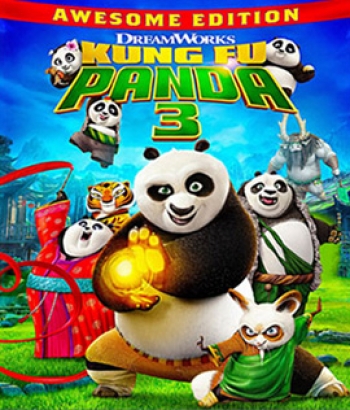
เรื่องนี้เปิดกับเครื่องเล่น Blu-ray เท่านั้น
เปิดกับเครื่องเล่น DVD ไม่ได้
เปิดกับเครื่องเล่น DVD ไม่ได้
🔥 ความนิยม
🎭 Cult Classic (Rank: 9)
รหัสสินค้า
BD-2539-D
📝 ซับ
ℹ️ ข้อมูลเพิ่มเติม
ไม่ติด Cinavia เล่นได้ทุกเสียง
💿 รูปแบบ
Blu-ray 25GB 1 แผ่น
คะแนนจากนักวิจารณ์ทั่วโลก
Kung Fu Panda 3 - กังฟูแพนด้า 3
Kung Fu Panda 3 กังฟูแพนด้า 3 เป็นเรื่องราวของการกลับมาของพ่อแพนด้าของโพที่หายสาปสูญไปเมื่อนานมาแล้ว ทั้งคู่กลับมาร่วมทางกันสู่สรวงสวรรค์ลับของแพนด้า เพื่อพบกับพวกแพนด้าตัวตลกหน้าใหม่ แต่เมื่อจอมวายร้ายผู้อยู่เหนือธรรมชาติอย่าง ไค เริ่มกวาดล้างประเทศจีนด้วยการเอาชนะจ้าวแห่งกังฟูทั้งหมด โพต้องทำสิ่งเหลือเชื่ออย่างการศึกษาวิธีการฝึกฝนเหล่าพี่น้องจอมเซ่อที่น่ารักของเขา เพื่อให้กลายเป็นเหล่าสุดยอดกังฟูแพนด้า!
Grab destiny by the dumplings.
While Po and his father are visiting a secret panda village, an evil spirit threatens all of China, forcing Po to form a ragtag army to fight back.
รายละเอียด
| ปีที่ฉาย: | 2016 |
| ความยาว: | 95 นาที |
| งบประมาณ: | $145,000,000 |
| รายได้: | $521,170,825 |
| รางวัล: | 1 win & 10 nominations total |
> คราวนี้ไม่ใช่ Skadoosh แต่เป็น Chi ภาพยนตร์ที่ประสบความสำเร็จสามเรื่องในแฟรนไชส์แอนิเมชันถือเป็นความสำเร็จที่ยิ่งใหญ่ และตามที่บริษัทผู้สร้างระบุว่าจะมีภาพยนตร์อีกสามเรื่องเข้าฉายในอีกทศวรรษข้างหน้า ดังนั้นหากคุณเป็นแฟนแอนิเมชัน โดยเฉพาะ Kung Fu Panda และแฟนของ Po เตรียมตัวให้พร้อมสำหรับภาพยนตร์ที่น่าติดตามในอนาคต ภาพยนตร์เรื่องนี้ยอดเยี่ยมมาก หลังจากการผจญภัยที่แสนวิเศษสองครั้ง เรื่องราวนี้สงบลงเล็กน้อยด้วยความเรียบง่าย ภาพนั้นยอดเยี่ยมมากด้วยฉากต่อสู้มากมาย แต่เรื่องราวถูกเสริมแต่งด้วยอารมณ์ขันมากพอแล้ว และการต่อสู้ครั้งสุดท้ายเพื่อปิดฉากภาคที่ 3 ได้อย่างยอดเยี่ยม ฉันคิดว่าเป็นโครงเรื่องที่ได้รับการออกแบบมาอย่างดีโดยคำนึงถึงภาพยนตร์ 5 ถึง 6 เรื่อง นั่นคือเหตุผลที่การไหลลื่นระหว่างทั้งสามเรื่องจึงราบรื่นมากโดยมีการวางฉากย้อนอดีตไว้ในตำแหน่งที่เหมาะสม ส่วนนี้เป็นของแพนด้าโดยเฉพาะ ห้าผู้โกรธแค้นหายไปในส่วนใหญ่ของภาพยนตร์ แต่ก็ดีที่ได้เห็นการกลับมาของ Oogway อาจารย์อูเกวปรากฏตัวในตอนต้นและตอนท้าย แม้จะดีใจมากที่ได้ปรากฏตัว เพราะเขาเป็นตัวละครโปรดของฉันในแฟรนไชส์นี้ เขาไม่ใช่ตัวละครหลัก แต่เหมือนโยดา เขาสุดยอดมาก บอกได้เลยว่าใครจะไม่ชอบเขา คราวนี้ไม่มีสกาดูช แต่เป็นวายร้ายตัวใหม่ที่ต้องต่อสู้เพื่อสิ่งทรงพลังที่เรียกว่า จี้ ตอนนี้โปได้รับการเลื่อนตำแหน่ง ฉันจึงตื่นเต้นมากที่จะได้ชมภาพยนตร์เรื่องต่อไปว่าเรื่องราวจะเป็นอย่างไร นี่เป็นภาพยนตร์ครอบครัวที่สวยงามและไม่ควรพลาด นักแสดงทั้งหมดกลับมาจากสองเรื่องก่อนหน้า และมีการคัดเลือกนักแสดงใหม่เข้ามาอีกเล็กน้อย เรื่องราวส่วนใหญ่ดำเนินไปในสถานที่ใหม่สำหรับการบรรยาย เช่นเดียวกับที่แอนิเมชันส่วนใหญ่เคยทำในจีน ท้ายที่สุดแล้ว การสร้างในจีนก็ไม่ได้แย่ขนาดนั้น 8/10
Kung Fu Panda 3 เป็นหนังที่คุณคาดหวังไว้ หนังเต็มไปด้วยมุกตลก มุกตลกโปกฮา และฉากต่อสู้สุดระทึก Po เป็นตัวของตัวเอง ซุ่มซ่าม ไร้เดียงสา เป็นปรมาจารย์ด้านศิลปะการต่อสู้ และตลกขบขัน เช่นเคย เขามาพร้อมกับเพื่อนๆ จากภาคก่อนๆ รวมถึง Shifu ที่ค่อนข้างลังเล Oogway เต่าผู้ชาญฉลาดจาก Kung Fu Panda ภาคแรกก็กลับมาเช่นกัน แน่นอนว่าต้องมีวายร้ายตัวฉกาจอย่างนายพล Kai ซึ่งปรากฏว่ามีความสัมพันธ์ในอดีตกับ Oogway นายพล Kai ค่อนข้างดีในบทบาทวายร้าย มีสีหน้าคลุ้มคลั่งที่เหมาะสม และแน่นอนว่าวัวกระทิงเองก็แสดงอารมณ์ฉุนเฉียวและความรุนแรงออกมาแล้ว เรื่องราวหลักแน่นอนว่าเกี่ยวกับการเอาชนะนายพล Kai แต่การที่ Po ได้กลับมาพบกับพ่อ (ตัวจริง) ของเขาและชาวบ้านที่ทั้งตลกและซุ่มซ่ามในหมู่บ้าน Panda ก็เป็นส่วนใหญ่ของหนังเรื่องนี้ โดยรวมแล้วเนื้อเรื่องค่อนข้างดี มีจุดหักมุมที่น่าสนใจอยู่บ้าง ไม่น่าแปลกใจเลยที่โปจะกอบกู้สถานการณ์ในการต่อสู้ครั้งยิ่งใหญ่กับนายพลไคเช่นเคย ...
โป แค่ต้องการชีวิตที่สงบสุข แต่อาจารย์ จี้ฟู กลับมีแผนอื่น เขาต้องการใช้เวลากับจี้ของเขามากขึ้น จึงขอให้เจ้ามังกรของเขารับช่วงต่อการฝึกของเพื่อนๆ แพนด้าที่ตอนนี้เชี่ยวชาญแล้วคิดว่านั่นเป็นความคิดที่โง่เขลา แต่ใครจะไปเถียงได้ล่ะ บ่ายวันหนึ่งในหมู่บ้าน เขาได้พบกับแพนด้าตัวใหญ่พุงพลุ้ยอีกตัวหนึ่งที่กำลังตามหาลูกชายที่หายไปจากซุงของเขา ความสับสนชั่วครู่ตามมาก่อนที่จะกอดและร้องไห้ และตอนนี้ โป มีพ่อสองคน! ดีเหมือนกันที่เราได้รู้อย่างรวดเร็วว่า นายพลไค วัวที่ถูกขังไว้นาน ได้หลบหนีออกจากคุกต่างมิติของเขา มุ่งทำลายทุกสิ่งที่เกี่ยวข้องกับ อูเกว อดีตอาจารย์ของเขา ซึ่งรวมถึงพวกเขาเกือบทั้งหมด! ทีม โป ต้องร่วมมือกันเพื่อเผชิญหน้ากับศัตรูที่แข็งแกร่งเช่นนี้ และนั่นนำพวกเขาไปยังดินแดนลับของแพนด้า และเผชิญหน้ากับศัตรูที่พันธนาการกันอย่างดุเดือด โป จะเชื่อมั่นในตัวเองได้หรือไม่ ครอบครัวใหม่ของเขาและครอบครัวเก่าจะร่วมมือกันช่วยเหลือเขาได้ไหม ไม่หรอก ฉันไม่คิดว่าจะมีอันตรายอะไรมากมายนัก แต่ตัวละครก็น่าสนใจ และฉันชอบสิ่งมีชีวิตนี้ที่ถ่อมตัวในเรื่องทักษะของตัวเองซึ่งค่อนข้างสดชื่น การทำงานเป็นทีม ใช่ ภาระของครอบครัว ใช่ ฉากแอ็คชั่นมากมาย ใช่ ที่จริงแล้วมันเป็นการนำเรื่องราวอื่นๆ ในแฟรนไชส์มาเล่าใหม่อย่างสนุกสนาน โดยใช้แอนิเมชั่นที่มีเอกลักษณ์เฉพาะตัวเพื่อบอกเล่าเรื่องราวการผจญภัยที่ใครๆ ก็สามารถรับชมและเพลิดเพลินได้ มันไม่ได้ดูโอ้อวดเกินไป ซึ่งเป็นอีกองค์ประกอบหนึ่งที่ฉันค่อนข้างชอบในเรื่องนี้ และมันผสมผสานตำนานพอประมาณเพื่อให้มันดูพิเศษอยู่บ้าง อาจจะไม่ดีเท่าภาคแรก แต่การผสมผสานกันอย่างแข็งแกร่งของเหล่าสัตว์ร้ายและกายกรรมก็เหมาะกับการผจญภัยแบบครอบครัวที่ดำเนินเรื่องอย่างรวดเร็ว
ฉันสนุกกับหนังเรื่องนี้ ตลกดี เรื่องราวก็ดี แต่หลังจากดูภาค 1, 2 และ 3 ติดต่อกัน เรื่องราวก็เริ่มคุ้นๆ แล้ว ซึ่งน่าผิดหวังเล็กน้อย แต่ส่วนอื่นๆ ก็ดี ทำให้คุ้มค่ากับการดู และมีการเปลี่ยนแปลงที่ทำให้หนังเรื่องนี้คุ้มค่า นักแสดงก็ยอดเยี่ยมเช่นกัน พากย์เสียงได้ดีมาก ทำให้หนังเรื่องนี้เป็นหนังที่ยอดเยี่ยมอีกเรื่องหนึ่ง
You know that feeling of going back to your parents house after a long time and finding everything in the exact same place That’s pretty much what Kung Fu Panda 3 delivers. We laugh, get a little emotional, eat some dumplings, and leave with a warm heart. But is DreamWorks magic formula starting to show signs of fatigue, or does the Dragon Warrior still have what it takes to surprise us Let’s talk about what worked and what fell short in this trilogy closer.Nelson and Carloni’s direction does an undeniably competent job, but they play it safe the whole time. It’s clear the duo chose not to take any unnecessary risks. While the second movie gave us bold framing and a play of shadows bordering on film noir during Po’s flashbacks, here the camera follows the basic adventure animation playbook. The wide shots to introduce locations work perfectly to ground the viewer, and the transitions are clean. It’s bureaucratic direction in the best sense of the word: it doesn’t get in the story s way, it doesn t confuse the audience, but it also steers clear of offering any aesthetic challenge or innovation in how the journey is told.The script is, plain and simple, the classic hero’s journey packaged for quick consumption. And this is the most middle-of-the-road aspect of the film. The pacing moves like a bullet train, jumping from the sudden meeting with his biological dad to the road trip, and right into the looming threat. This rush doesn t let the dilemmas breathe. The narrative development feels like it s following a studio checklist: action scene, joke, moment of doubt, discovering a hidden power, final battle. It works to hold the kids attention from the first minute to the last, but it leaves adults with a been there, done that feeling, missing the emotional depth and the real stakes that the second chapter’s script was brave enough to tackle.Humor has always been the main driving force of Kung Fu Panda. Seeing a chubby bear doing acrobatics and talking about food gets some genuine laughs. The problem with Kung Fu Panda 3 is its inability to turn off the joke machine. Several times, the story builds genuine tension or hits a dramatic emotional peak, only to kill the vibe seconds later with Po tripping over something or making an out-of-place comment. The main character, who has saved China twice by now, is sometimes portrayed so naively and foolishly that it borders on character regression. Is it funny Yes, most of the time. But this excess of lightheartedness takes away a lot of the plot s weight and consequences.If you re expecting visceral fights focused on physical impact and classic martial arts techniques—like Tai Lung’s brilliant prison escape in the first movie—you might be a bit disappointed. Here, the action takes on an almost cosmic scale. Hand-to-hand combat takes a backseat to spiritual powers, beams of light, bursts of chi energy, and golden dragons flying across the screen. The result is absolutely stunning visually, with massive, superpowered sequences. However, this shift in tone pushes the fights much closer to fantasy anime than the Wuxia (Chinese martial arts fantasy) films that originally inspired the franchise. It’s epic, but it loses a bit of that gritty, realistic texture of sweat on the mat.This might be the script s biggest stumble. The Furious Five—Tigress, Monkey, Mantis, Viper, and Crane—were key pieces in building Po s universe and family in the previous films. Here, they are reduced to glorified extras. The vast majority of the group is quickly defeated and turned into jade statues by the villain in the early scenes, serving only as a cheap plot device to show the audience look how dangerous Kai is. Except for Tigress, who gets a few more lines acting as the messenger of doom, wasting characters with such rich designs and personalities (and incredibly expensive voice actors) borders on frustrating.On the flip side, what keeps you hooked is Po’s arc. Taking the protagonist out of the comfortable position of prodigy student and throwing him into the fire as a teacher creates some great internal conflict. His imposter syndrome kicks in hard. The best part of his main development isn t seeing Po learn a new move, but rather his mental journey to understand that true leadership doesn t mean creating copies of yourself—like he tried to do by mimicking Master Shifu s strictness. The realization that he needs to guide each individual to find their own strength is a beautiful and coherent evolution for his character.The antagonist this time around has an intimidating presence. Masterfully voiced and armed with chained jade blades that make for some spectacular action sequences, Kai is visually striking. His theme music is excellent. But truth be told: he is by far the shallowest villain of the trilogy. While Tai Lung carried the tragedy of a rejected son and Lord Shen was a cruel strategist driven by panic and prejudice, Kai is just a forgotten general hungry for power. His motivation boils down to a 500-year-old grudge because Oogway betrayed him. There’s no ideological clash with Po, no psychological baggage. He’s just a generic brute that needs to be punched.Where the script fails, the character design more than makes up for it. The art team gives a masterclass on how to use geometric shapes to tell a story. The Panda Village is built entirely around circles: the characters are round, soft, and project warmth and laziness, wearing warm tones and rustic fabrics. In direct contrast, we have Kai and his army of spirit zombies. They are drawn with sharp edges, pointy horns, and an unnatural, icy jade green. You don t need to hear a single line of dialogue to know who’s good and who’s bad; the color palette and silhouettes give away the scene s entire intention from the very first second.An average script gets a lot of breathing room when the voice cast knows exactly what they re doing. Jack Black doesn’t just voice Po; he basically lends his hyperactive, charismatic soul to the bear. It’s impossible to separate one from the other. Adding Bryan Cranston as Li Shan (the biological dad) was a slam dunk, bringing a goofy dad vibe but with a subtle pain in his eyes. And even while battling a script that doesn’t give him many layers, veteran actor J.K. Simmons delivers Kai’s lines with a gravity and guttural voice that commands the room, proving why he’s one of the best in the business.Hans Zimmer returns to prove that the music of Kung Fu Panda is one of the pillars of its success. The movie s musical composition is a spectacle that walks the tightrope between East and West. He mixes folk instruments, like the erhu (a two-stringed Chinese violin) and traditional drums, with the deafening brass sections typical of action blockbusters. Kai’s theme, heavy and marked by rock beats, purposely clashes with the rest of the film to create unease. Whenever the plot hesitates or the emotion feels forced in the writing, it’s Zimmer’s majestic soundtrack that grabs the viewer by the arm and gives them goosebumps.Aesthetically speaking, the raving reviews aren t exaggerating: the visual leap from the previous films is massive. DreamWorks really flexed their budget and technology here. The opening sequences and flashbacks, which use a 2D animation style mimicking classic paintings on ancient scrolls, are jaw-dropping. But the real star is the Spirit Realm. Designed as a golden cosmic ocean where pieces of temples float weightlessly, the setting looks like a watercolor painting brought to life. The way the light bounces off the jade surfaces shows the absolute peak of digital lighting technology at the time.An essential theme, and perhaps the most touching of the whole movie, is the family dynamic built around Mr. Ping (the goose who owns the noodle shop). The plot deals with the jealousy he feels when Po’s biological father reappears. Ping’s natural fear of being replaced or forgotten creates incredibly real conflicts. The resolution of this tension—when both realize they aren’t competing for space, but rather adding love to their son’s life—is a subtle, empathetic, and mature take on adoption and non-traditional families, delivering the true emotional weight that the main fight just can t quite pull off.The world-building introduces some genius ideas through its settings. The secret village in the snowy mountains isn’t just a pretty backdrop; it perfectly reflects the culture of its inhabitants. Since pandas are heavy and like to roll around, the village was designed with straw ramps, counterweight-powered cable cars, and connected hot springs. Everything feels like it was designed to facilitate a life of absolute leisure. This level of attention to detail makes the environment feel like a living, breathing, and totally believable ecosystem within the madness of the movie s universe.One of the script s challenges was explaining the concept of Chi (the life force in Chinese philosophy) to kids without turning the movie into a boring Eastern religion class. The solution they found is clever and simplified: Kai steals Chi from others out of selfishness, while Po manages to master the energy through giving and self-discovery. The idea that true strength doesn t come from draining others, but from connecting with your community and understanding who you really are, translates complex Taoist ideas into an accessible and highly positive moral message for children.The directors did a really cool job tying this story back to the first movie, creating a true visual rhyme. In the original 2008 film, Master Shifu only managed to train Po when he dropped traditional methods and started using food as motivation. Here, the script brilliantly flips the narrative. Po realizes the only way to train the village pandas for war is by using what they already do every day: hugging hard, kicking shuttlecocks, and eating a lot. It’s a callback that brings the character’s learning cycle to a perfect, satisfying close.A lot of movies at the time used 3D just as a cheap gimmick to inflate ticket prices, but the art team behind Kung Fu Panda 3 actually justified the technology. The action was designed with spatial depth in mind. Kai’s blades are thrown directly along the Z-axis (straight at the audience s eyes), and the Spirit Realm sets, with floating islands scattered across different layers of the screen, cause a real sense of vertigo and immersion. It’s one of the few cases where watching the movie in three dimensions actually changes the way you take in the choreography and the scenery.The bottom line is a movie with an average script, but massive in heart and visuals. It’s the kind of work that won’t revolutionize the genre or change the way you see the world, but it guarantees hours of pure entertainment and comfort. And you know what Sometimes that’s all we need on a Friday night. If you’ve followed Po’s journey from the start, the ticket pays for itself in nostalgia and fondness for the characters. Make some popcorn, get cozy on the couch, and go watch it to draw your own conclusions. The visual experience and the good laughs, I guarantee, are totally worth hitting play.
Po Is The Dragon Warrior - Extended Preview
The Extended Preview Collection
Po Meets His Dad Extended Preview
Official Trailer #3
Director
Writer
Executive Producer
Producer